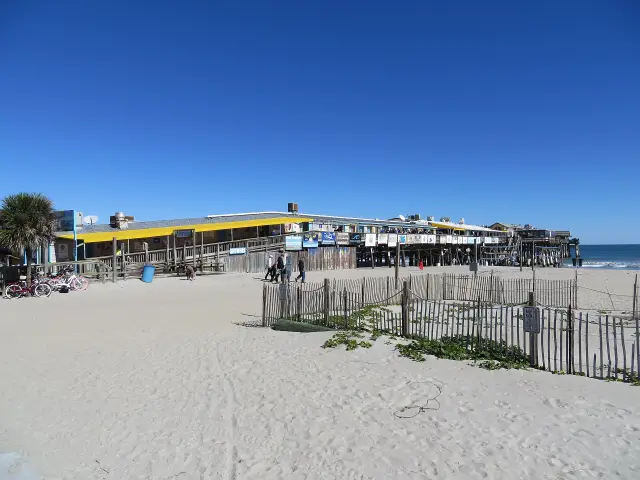
Short answer: Canaveral National Seashore is a National Park Service unit of nearly 58,000 acres with 24 miles of pristine beach in Brevard and Volusia Counties, entered at two separate districts: Apollo Beach in New Smyrna Beach and Playalinda near Titusville. A private vehicle pays $25 for seven days, card only. NPS launch guidance puts the day at 6 AM to 8 PM in summer and 6 AM to 6 PM in winter.
Last verified: October 21, 2026, against the sources listed at the end of this page.
What is Canaveral National Seashore?
Canaveral National Seashore is a National Park Service unit of nearly 58,000 acres of barrier island, lagoon, hammock, pine flatwoods and offshore water with 24 miles of pristine beach (NPS basic information).
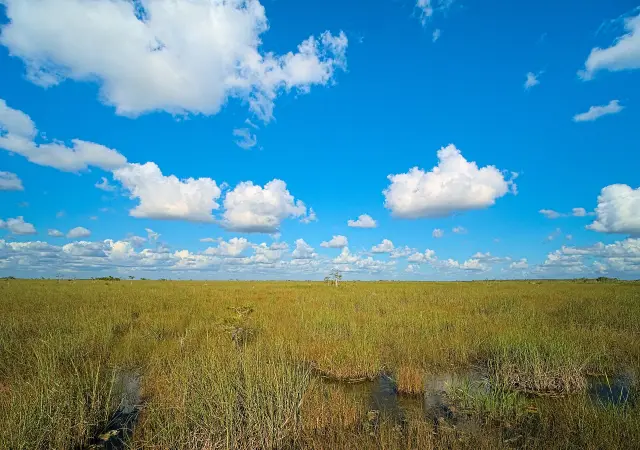
The same NPS page says two thirds of the park lies in Mosquito Lagoon, which carries a designation as an estuary of national significance and an outstanding Florida waterway (NPS basic information). The beach is nesting habitat for several thousand protected marine turtles, and the cultural sites span human history on the peninsula from 2000 BC to early 20th century settlement.
The seashore stretches 24 miles along the coast of both Brevard and Volusia Counties (NPS safety page). Its origin is tied to Kennedy Space Center: the U.S. Fish and Wildlife Service history of the space center lands says NASA took over land and water beside Cape Canaveral in 1962, an agreement in 1963 created Merritt Island National Wildlife Refuge, and in 1975 a second agreement established Canaveral National Seashore (USFWS, About Merritt Island NWR).
Park headquarters is in Titusville at 212 S. Washington Ave., Titusville, FL 32796, phone 386 428-3384 (NPS park home page). The home page describes the park as dunes, coastal hammocks and Mosquito Lagoon, with Timucua shell mounds, the Eldora State House and the Apollo Visitor Center among its stops. The neighboring refuge is a separate unit run by the U.S. Fish and Wildlife Service and has its own Merritt Island National Wildlife Refuge guide.
What are the Apollo Beach and Playalinda districts of the seashore?
The seashore has two road entrances: the Apollo Beach District at the north end in New Smyrna Beach and the Playalinda Beach District at the south end near Titusville (NPS directions).
| Site | Town | How to reach it | What is there |
|---|---|---|---|
| Apollo Beach District entrance station | New Smyrna Beach | 7611 S. Atlantic Ave (NPS fees); I-95 exit 249, then about 25 miles east on State Road 44 to south A1A (NPS) | Entrance station selling passes, credit or debit only (NPS fees) |
| Apollo Visitor Center | New Smyrna Beach | Inside the Apollo Beach District (NPS fees) | Open 9:00 AM to 5:00 PM, seven days a week except Christmas Day (NPS visitor centers) |
| Playalinda Beach District entrance station | Titusville, Brevard County (NPS) | I-95 exit 220, then about 15 miles east on Garden Street (NPS) | Entrance station selling passes, credit or debit only (NPS fees) |
| Seminole Rest | Oak Hill | 210 River Rd., east of US 1 via Halifax Avenue (NPS) | Shell mound site (NPS history); no passes sold here (NPS fees) |
| Park headquarters | Titusville | 212 S. Washington Ave. (NPS) | Offices; no passes sold here (NPS fees) |
The Apollo Beach route crosses the Halifax River causeway bridge and bends south into A1A, where the fee station sits in the roadway, while the Playalinda route follows Garden Street east out of Titusville (NPS directions). The NPS notes that public transportation does not travel to the park and that visitors may tour it by private vehicle, bicycle or on foot, and that the road to the Playalinda entrance carries a 55 mile per hour limit with fast commuter traffic at peak hours.
For air travelers, the same page puts Orlando International Airport about an hour from Playalinda Beach and Daytona Beach International Airport about 45 minutes to an hour from Apollo Beach (NPS directions). A beach day at the south end has its own Playalinda Beach guide.
How much does it cost to enter Canaveral National Seashore?
A private vehicle pays $25 for seven consecutive days at all Canaveral National Seashore entrances, a motorcycle pays $20 and a walker or cyclist age 16 or older pays $15 (NPS fees and passes).
| Pass | Price | What it covers |
|---|---|---|
| Private vehicle | $25.00 | Passholder and passengers of one vehicle, 7 consecutive days at all park entrances (NPS) |
| Motorcycle | $20.00 | Up to 2 private motorcycles with up to 4 total passengers, 7 days (NPS) |
| Per person (foot or bicycle) | $15.00 | One hiker, bicyclist or pedestrian, 7 consecutive days; children under 16 need no pass (NPS) |
| Canaveral annual pass | $45.00 | One vehicle per visit for 12 months, this park only (NPS) |
| America the Beautiful pass | Free to $250.00 | Federal interagency pass; seniors, military, visitors with a permanent disability and fourth grade families may qualify for free or discounted versions (NPS) |
The seashore is cashless. The NPS fees page states that the park does not accept cash and that the Apollo and Playalinda Beach entrance stations take only credit or debit, now including touchless payment such as Apple Pay and Google Pay (NPS fees and passes). Digital passes can be bought online ahead of time and shown on a phone with a valid photo ID.
In person, passes are sold at the two Canaveral National Seashore entrance stations. The fees page lists the places that do not sell them: the Titusville headquarters building, the Apollo Beach visitor center, Eldora House and Seminole Rest in Oak Hill (NPS fees and passes). The neighboring refuge sells its own passes, and two USFWS sources differ on them: the refuge brochure says its $25 annual pass can be upgraded to the Canaveral annual pass for an additional $20 at the Playalinda and Apollo fee booths (USFWS refuge brochure), while the USFWS Visit Us page describes the $25 Merritt Island Annual Pass as valid only at the refuge (USFWS, Visit Us). The NPS fees page does not mention the upgrade.
When is Canaveral National Seashore open?
NPS launch guidance puts the Canaveral National Seashore operating day at 6:00 AM to 8:00 PM in summer and 6:00 AM to 6:00 PM in winter (NPS launch viewing).
Inside the Apollo Beach District, the Apollo Visitor Center keeps its own hours, 9:00 AM to 5:00 PM seven days a week except Christmas Day (NPS visitor centers).
That launch viewing page says a launch must fall within those summer and winter hours for visitors to watch it from inside the park, and recommends arriving a few hours early (NPS launch viewing). It also warns that the park may fill to capacity and restrict entry for a time, and that NASA has authority to close parts of the park for Kennedy Space Center operations without notice.
The launch closure rules on that page name the Playalinda District, from its vistas to the beach road and parking lot #1 (NPS launch viewing), and the Playalinda guide lays them out. For current alerts, the Canaveral National Seashore home page links an Alerts page and the park's operating hours page (NPS park home page).
What history does Canaveral National Seashore protect?
Canaveral National Seashore protects shell mounds built by early inhabitants at Seminole Rest, Turtle Mound and Castle Windy, plus the remains of the late 19th century Mosquito Lagoon settlement of Eldora (NPS history and culture).
The NPS history page says the name Canaveral means place of cane and is one of the oldest recorded geographical names in North America (NPS history and culture). The first people here harvested oysters and clams from the Mosquito Lagoon estuary and left the shells in heaps that archeologists still study. In April 1513, Ponce de Leon claimed the land for Spain, which held it until 1821 apart from the 20 years from 1763 to 1783 when the British controlled Florida's east coast.
Seminole Rest in Oak Hill dates from about 4,000 to 500 years ago, according to the same page, and archeologists believe the Timucua used it to gather and process clams. Two rehabilitated late 19th century houses stand on top of the 18 foot mound, and the NPS credits owners in the early 1900s with refusing to sell the mound's shell for road material, which preserved the evidence (NPS history and culture).
Turtle Mound is the tallest shell mound on the east coast of Florida, according to the NPS place page: a 35 foot high pathway leads to the top, and the mostly oyster shell mound historically reached 70 feet (NPS Turtle Mound). The page notes constant erosion from sea level rise and storm surge, and shoreline stabilization work by University of Central Florida volunteers. Eldora, the NPS explains, was one of several villages near citrus groves or water routes that were later abandoned after storms, isolation or killing frosts (NPS history and culture).
What rules apply at Canaveral National Seashore beaches and lagoon waters?
Dogs are kept off the beach and beach boardwalks at Canaveral National Seashore but are allowed at lagoon access points, park trails and other non-beach areas (NPS basic information).
No lifeguards work anywhere in Canaveral National Seashore, according to the NPS safety page, which also names rip currents, rough surf and hazardous marine life as regular beach hazards and warns of severe weather from afternoon thunderstorms to major hurricanes (NPS safety). Visitors are asked to stay on designated boardwalks and trails and off the dunes, to keep a distance from wildlife and not feed it, and to pick up a park map at the Apollo Beach Visitor Center or the Playalinda District entrance station. Drinks and food are limited inside the park.
Fishing in Mosquito Lagoon or the surf follows Florida law: the NPS fishing page says a valid Florida fishing license is required, although exceptions may apply, children under 16 do not need one, and licenses are sold through GoOutdoorsFlorida.com or by calling 888-347-4356 (NPS fishing). Federal rules on the same page bar commercial fishing unless authorized by statute, digging for bait, fishing within designated swimming beaches and dumping bait or bait buckets into park waters.
Horseback riding is a seasonal exception at the north end: the USFWS refuge brochure says horses are permitted in the North District of Canaveral National Seashore in New Smyrna Beach from November 1 through April 15, by special use permit (USFWS refuge brochure). Last verified: October 21, 2026, by re-reading the Canaveral National Seashore fee table, visitor center hours, directions, history and safety pages on nps.gov and the USFWS history and brochure for the Kennedy Space Center lands.
Frequently asked questions
How much is the entrance fee at Canaveral National Seashore?
A private vehicle pays $25.00 for seven consecutive days at all park entrances, a motorcycle pays $20.00 and a person on foot or bicycle pays $15.00, according to the NPS fees page. The Canaveral annual pass costs $45.00, and the entrance stations take credit or debit only.
Where are the two entrances to Canaveral National Seashore?
The NPS directions page sends Apollo Beach visitors to I-95 exit 249 and east on State Road 44 to the northern access in New Smyrna Beach, and Playalinda visitors to I-95 exit 220 and east on Garden Street to the southern access in Titusville. Each district has its own entrance station.
Are dogs allowed at Canaveral National Seashore?
Not on the beach or beach boardwalks. The NPS basic information page says dogs are allowed at lagoon access points, park trails and other areas off the beach.
Is there a lifeguard at Canaveral National Seashore?
No. The NPS safety page states that lifeguard services are not available in the park and lists rip currents, rough surf and marine life such as jellyfish and stingrays as regular hazards along the 24 miles of beach.
When did Canaveral National Seashore become a park?
The USFWS history of the Kennedy Space Center lands says a second agreement in 1975 established Canaveral National Seashore, following the 1963 agreement that created Merritt Island National Wildlife Refuge on land NASA acquired in 1962.
Sources
- NPS, Canaveral National Seashore home page https://www.nps.gov/cana/index.htm Used for: headquarters address and phone, park overview
- NPS, Canaveral National Seashore basic information https://www.nps.gov/cana/planyourvisit/basicinfo.htm Used for: acreage, 24 miles of beach, Mosquito Lagoon share, dogs rule
- NPS, Canaveral National Seashore fees and passes https://www.nps.gov/cana/planyourvisit/fees.htm Used for: pass prices, cashless rule, where passes are sold, Apollo entrance address
- NPS, Canaveral National Seashore directions https://www.nps.gov/cana/planyourvisit/directions.htm Used for: district routes, Seminole Rest address, airports, transit
- NPS, Canaveral National Seashore visitor centers https://www.nps.gov/cana/planyourvisit/visitorcenters.htm Used for: Apollo Visitor Center hours
- NPS, Canaveral National Seashore rocket launch viewing https://home.nps.gov/cana/planyourvisit/rocket-launch-viewing.htm Used for: summer and winter operating windows, NASA closures, capacity
- NPS, Canaveral National Seashore history and culture https://www.nps.gov/cana/learn/historyculture/index.htm Used for: place of cane, 1513, shell mounds, Eldora, Seminole Rest
- NPS, Turtle Mound place page https://www.nps.gov/places/turtle-mound.htm Used for: Turtle Mound height and erosion
- NPS, Canaveral National Seashore safety https://www.nps.gov/cana/planyourvisit/safety.htm Used for: no lifeguards, hazards, 24 miles in Brevard and Volusia
- NPS, Canaveral National Seashore fishing https://www.nps.gov/cana/fishing.htm Used for: license rule and prohibited fishing practices
- USFWS, Merritt Island NWR About Us https://www.fws.gov/refuge/merritt-island/about-us Used for: 1962 NASA acquisition, 1963 refuge, 1975 seashore agreement
- USFWS, Merritt Island NWR brochure (PDF) https://www.fws.gov/sites/default/files/documents/merritt-island-national-wildlife-refuge.pdf Used for: horseback season in the North District, annual pass upgrade
- NPS, Playalinda Beach place page https://www.nps.gov/places/playalinda-beach.htm Used for: Playalinda Beach is in Brevard County
- USFWS, Merritt Island NWR Visit Us https://www.fws.gov/refuge/merritt-island/visit-us Used for: Merritt Island Annual Pass valid only at the refuge (conflict with the brochure upgrade line)
Published by Rytas Dirse, Solo Founder & AI Architect
Built with AI, held to quality gates. US sources, US brands, facts only.
How this page was made
Digital Towns uses AI assistance to research and write its guides, and every page is only as good as the sources it cites. Our goal is the most accurate, useful local information possible.
If you see an error, or anything you can show is false, tell us right away and we will take a third look.
Report an error
Thank you. We'll take a third look and correct the page if it's wrong.